


- Launch Services
Overview
Chart your path to success with specialised services.Implementation Project Management
Experts to ensure you launch on time and under budget.Solution Architecture
Seasoned advisors to help you best design your store.Data Migration & Optimisation
Expertise on a clean and clear path to migrating your data.Enterprise Launch Package
Personal training on how to set up and launch your BigCommerce Store.
Professional Services Blog Series
Get to know our teams and how they support your success in this Q&A series.

The Global B2B Buyer Behavior Report
This in-depth report provides actionable strategies to help you sell more online.

BigCommerce vs. Shopify
A platform you won’t outgrow.
Keep more of every sale as you grow. Expand into new channels, customers, and markets, all on one flexible foundation.
The Real Deal
Where complexity becomes opportunity.
Growth shouldn’t mean more apps and more limitations. Get the flexibility to scale your business without scaling your headaches.
One payment option isn’t a choice.
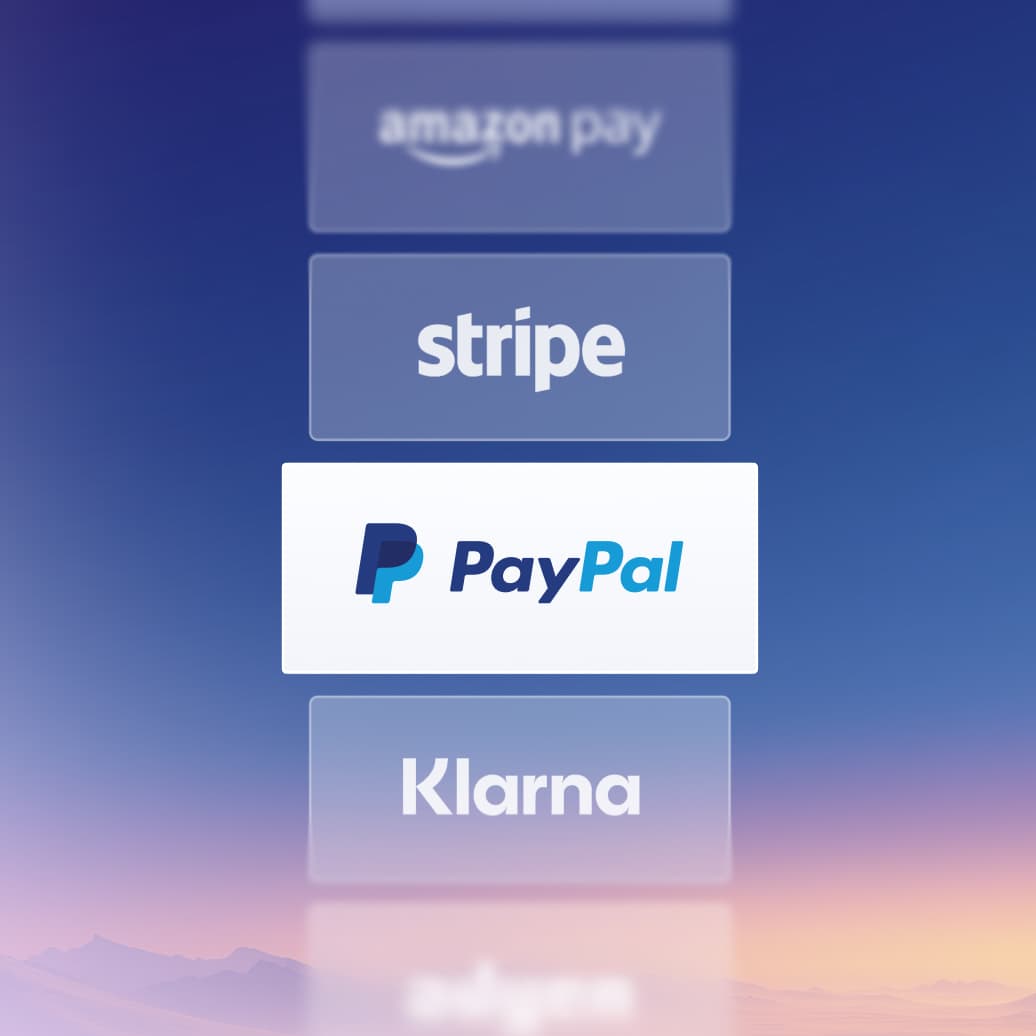
Choose from 20+ Embedded Payment Providers instead of relying on a single fee-free solution.
Why compromise? The right payment partner is one you choose.
Don’t let invoices surprise you.
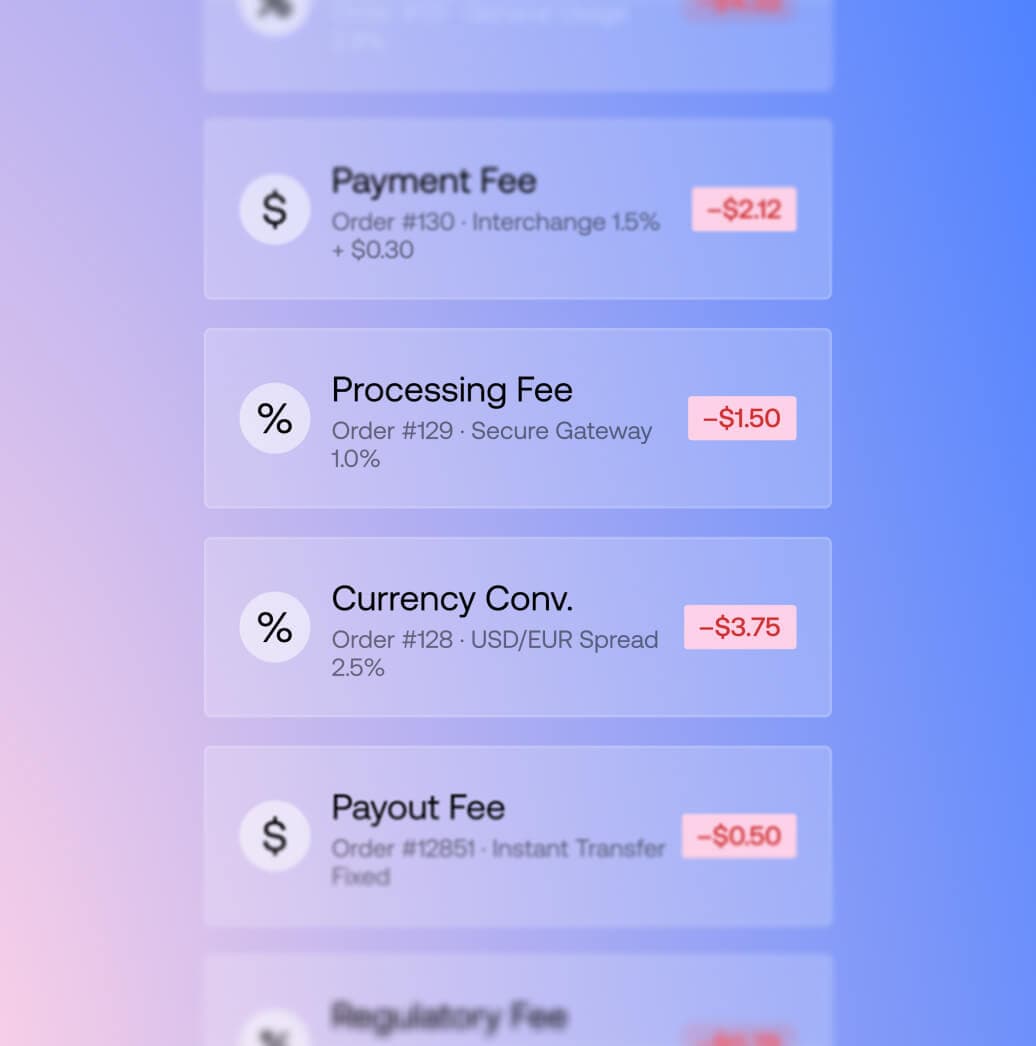
Payment fees, order costs, and tier upgrades can add up fast. Build on a platform that makes growth easier to predict.
Growth shouldn’t trigger a migration.
Add complexity, scale globally, and launch new experiences on a platform designed to keep up with ambitious businesses.
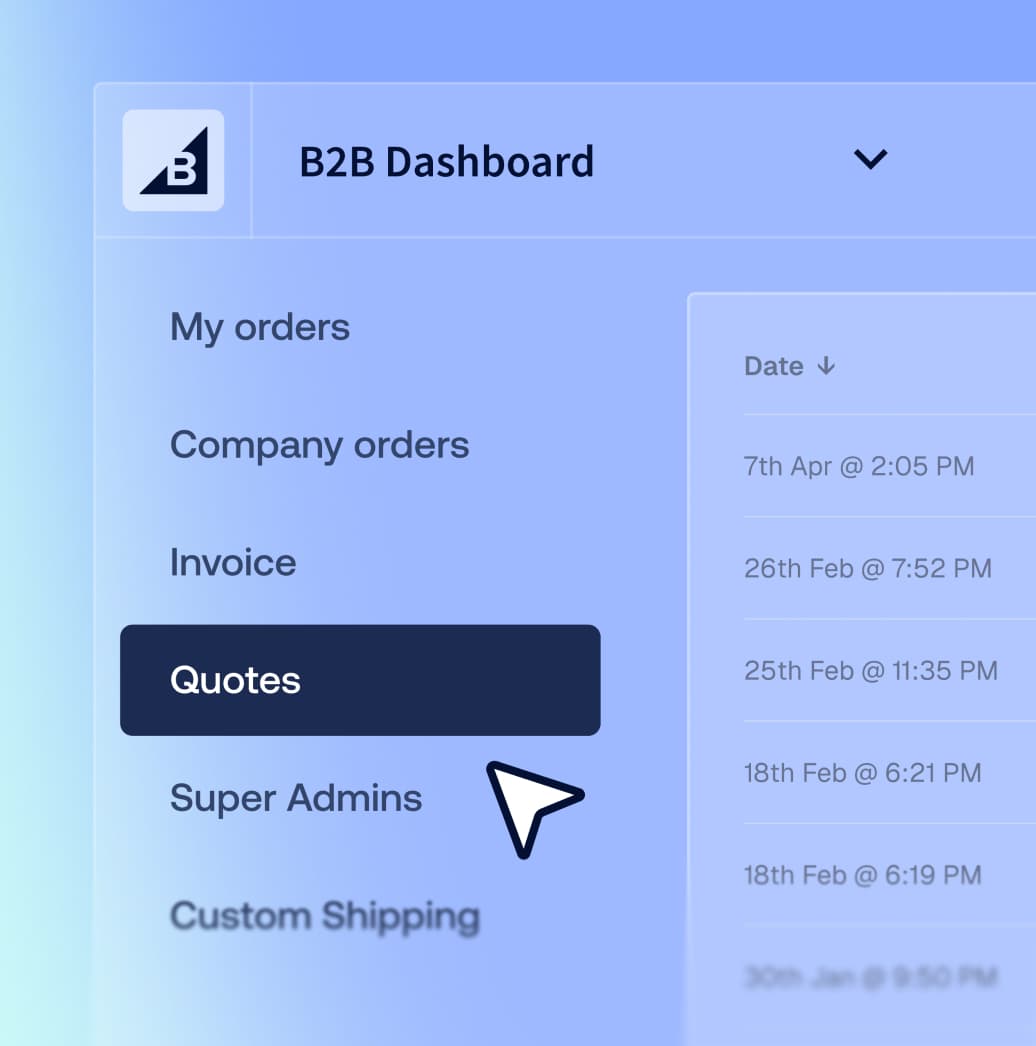
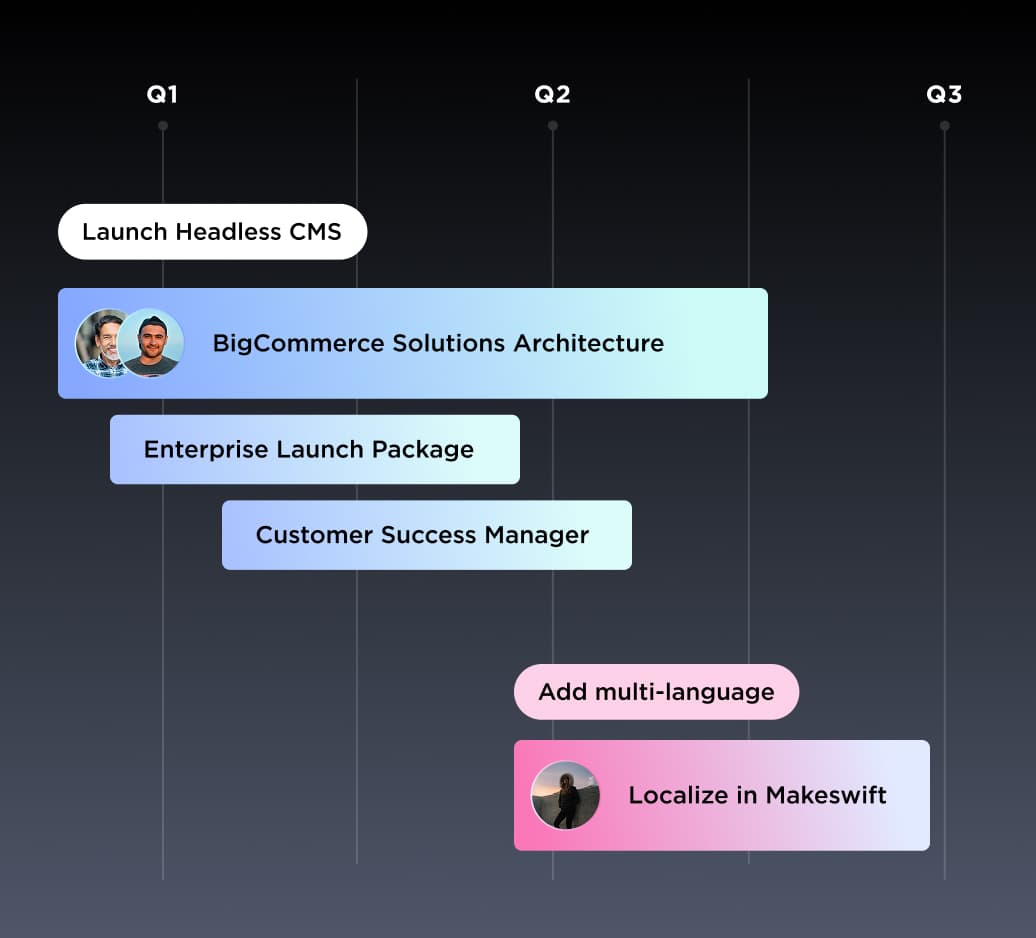
B2B shouldn't feel like a second business.
Run wholesale, quoting, and customer catalogues without switching to an enterprise plan.
The results speak for themselves.

211%
ROI within 8 months.

90%
developer time savings.

30%
increase in site conversion.
Your business isn’t standard. Your platform shouldn’t be either.
From hybrid B2B and B2C models to complex catalogues and integrations behind the scenes, BigCommerce is built for businesses that scale beyond the ordinary.
Category | Shopify | BigCommerce |
Best for | Brands focused on DTC growth, ease of use, and a large app ecosystem. | Businesses with B2C, B2B, multi-brand, multi-region, or operationally complex ecommerce needs. |
Payment flexibility | Shopify Payments plus third-party providers. Additional fees may apply when using processors outside Shopify Payments. | Supports a broad ecosystem of payment providers. 20+ fee-free Embedded Payment Providers including Stripe, PayPal, Klarna, Adyen, and Afterpay. |
Built-in features | Core functionality can be extended through apps and integrations. | Strong native functionality includes customer groups, promotions, abandoned cart recovery, multi-currency, and Multi-Storefront. |
Product variants | Supports up to 100 variants per product. | Supports up to 600 variant SKUs per product with 250 values per option. |
B2B + B2C functionality | Supports B2C and B2B selling, including company accounts, custom pricing, and wholesale workflows. | Run B2B and B2C from the same platform. B2B Edition includes native quoting, invoicing, Buyer Portal, and price lists |
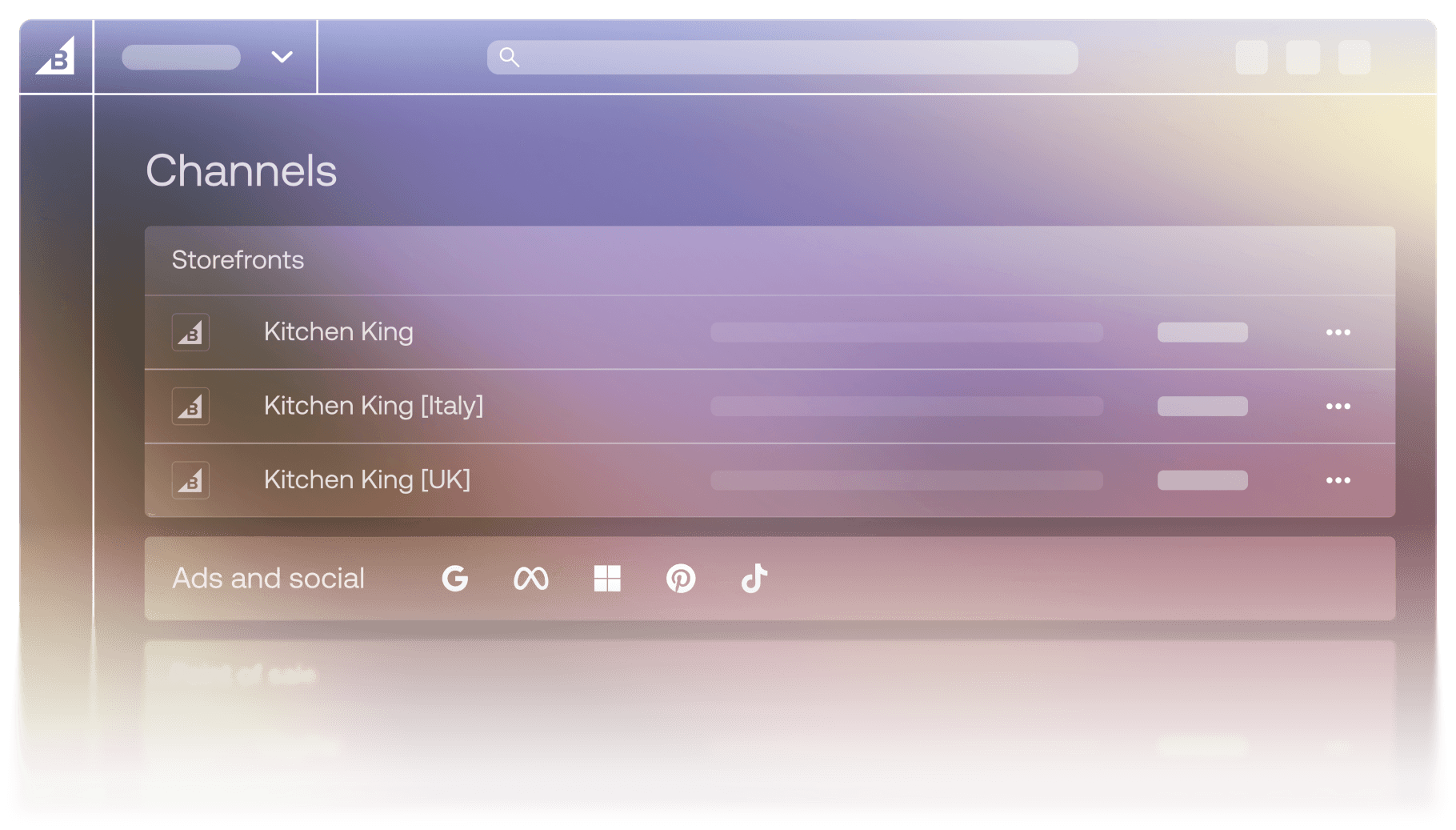
Multi-storefront | Supports multi-brand and multi-region storefront strategies. | Manage multiple brands, regions, and customer experiences from a single backend. |
SEO | SEO tools and optimisation features available through the platform and app ecosystem. | Built-in SEO features include customisable URLs, redirects, rich snippets, and blog functionality. |
App marketplace & integrations | Available through apps, middleware, and custom development. | Extensive ERP ecosystem with NetSuite, Microsoft Dynamics, SAP, Acumatica, Epicor, and more. |
Checkout customisation | Checkout extensibility and customisation available through platform-supported frameworks and integrations. | Extensive checkout customisation supported through open APIs and integrations. |
Storefront builder | Theme editor and storefront customisation tools. | Makeswift enables marketers and developers to build, edit, and launch storefront experiences visually. |
Multichannel growth | Marketplace and channel integrations available through apps and partners. | Feedonomics Surface helps distribute products across marketplaces, ad channels, social platforms, and AI-powered discovery. |
Enterprise adoption | Designed to support growth through an ecosystem of partners, integrations, and specialised solutions. | Supports B2C, B2B, multi-brand, and multi-region ecommerce on an open, API-first platform. |
Testimonials
Spoiler: the switch was worth it.

“When people ask why I didn’t go with Shopify, I say, ‘I don’t want a Swiss Army Knife that I have to pay to use. I want professionalism.’”

Don McCowan, Owner
213%
increase in revenue.
60K
SKUs
zero limitations.


Ready to scale without the slowdown?
See why growing brands move beyond apps and platform limits to come to work with us.
*The following stats are sourced from The Total Economic Impact™ of BigCommerce Cost Savings And Business Benefits
Switching from Shopify to BigCommerce FAQs
Businesses switch from Shopify to BigCommerce when they need more flexibility, lower operating costs, stronger B2B capabilities, or support for more complex business requirements.
Common reasons businesses migrate from Shopify include reducing app dependency, supporting B2B and wholesale selling, managing multiple storefronts from one backend, expanding internationally, integrating ERP and business systems, and gaining more control over how they scale. Many growing businesses simply reach a point where they need more flexibility than Shopify was designed to provide.
Both BigCommerce and Shopify support online selling, but BigCommerce provides several capabilities that many growing businesses rely on, including Multi-Storefront, native B2B functionality, open APIs, flexible checkout customisation, ERP integrations, and the ability to manage B2B and B2C operations from a single platform.
The biggest difference is often flexibility and control. BigCommerce gives businesses more freedom to choose how they build, integrate, and scale their ecommerce operations.
Shopify has a large app ecosystem, but many businesses rely on multiple paid apps to support core business requirements.
BigCommerce includes many capabilities natively that often require additional apps on other platforms, helping businesses reduce complexity, subscriptions, and ongoing maintenance. The goal isn't fewer integrations, it's needing fewer workarounds.
Shopify is widely known for its ease of use, especially for businesses launching their first online store.
BigCommerce is designed to balance ease of use with flexibility. As businesses grow, many need more control over storefronts, checkout experiences, integrations, international expansion, B2B workflows, and backend operations. The difference isn't how quickly you can launch. It's how far you can grow before hitting limitations.
For businesses selling wholesale, manufacturing products, distributing goods, or supporting complex purchasing workflows, BigCommerce offers native B2B functionality designed specifically for those needs.
BigCommerce B2B Edition includes quoting, invoicing, company account hierarchies, customer-specific catalogues, buyer portals, purchasing controls, approval workflows, and price lists. Businesses can also manage B2B and B2C experiences from the same platform and backend.
Many businesses evaluating Shopify and BigCommerce choose BigCommerce for its native B2B capabilities and ability to support both wholesale and direct-to-consumer selling from one place.
BigCommerce gives businesses the flexibility to choose the payment processors and checkout experiences that work best for them.
Rather than forcing businesses into a single approach, BigCommerce supports a broad ecosystem of payment solutions, so businesses can adapt as customer preferences, markets, and business requirements evolve.
For growing businesses, that flexibility can make it easier to optimise payments without being tied to a single provider or ecosystem.
Many Shopify stores encounter limitations as business requirements become more complex.
As companies expand into wholesale selling, multiple storefronts, international markets, ERP integrations, custom checkout experiences, or specialised customer journeys, they often rely on additional apps and customisations to support those requirements.
BigCommerce is designed to support these use cases natively, helping businesses scale without constantly adding new tools or rebuilding their ecommerce stack.
No. Most Shopify businesses find migrating to BigCommerce easier than expected.
BigCommerce provides migration tools, implementation partners, and dedicated support resources to help businesses move products, customers, orders, content, and storefront data.
Thousands of brands have successfully migrated from Shopify and other ecommerce platforms. For many businesses, migration is a one-time project that delivers long-term operational flexibility, lower platform costs, and ongoing savings from reduced app dependency and fees.
Yes. BigCommerce allows businesses to manage B2B and B2C selling from a single platform.
Businesses can support different customer groups, pricing structures, catalogues, purchasing workflows, and storefront experiences without maintaining separate ecommerce systems. This helps reduce operational complexity while creating a more unified customer experience.
Yes. BigCommerce Multi-Storefront allows businesses to manage multiple brands, regions, customer segments, or storefront experiences from a single backend.
Launch new storefronts without multiplying your operational overhead. Manage products, customers, and orders from one place while delivering unique experiences for every audience.
Not necessarily.
Many businesses can manage products, content, promotions, merchandising, and storefront updates without developer resources.
For businesses with more advanced requirements, BigCommerce also provides open APIs, composable ecommerce capabilities, and extensive customisation options, which allow developers to build tailored ecommerce experiences.
Yes. BigCommerce is designed to support growth across brands, regions, customer types, business models, and sales channels.
Built-in features such as Multi-Storefront, open APIs, composable ecommerce capabilities, ERP integrations, B2B functionality, and flexible architecture allow businesses to adapt as they grow without replacing their ecommerce platform.
BigCommerce supports businesses ranging from emerging brands to global enterprises, helping them expand into new markets, channels, and business models without rebuilding their ecommerce foundation.