- Start & Build

Product Overview
What you can do with BigCommerce.
Agentic Commerce
 AI-powered solutions for growth.
Design Your Store
Build your store with or without code.
Apps & Integrations
Over 1,200 apps to help you grow.
Migrate to BigCommerce
Switch from Shopify, Woocommerce, Salesforce, Magento, and more.
- Launch Services
Overview
Chart your path to success with specialised services.Implementation Project Management
Experts to ensure you launch on time and under budget.Solution Architecture
Seasoned advisors to help you best design your store.Data Migration & Optimisation
Expertise on a clean and clear path to migrating your data.Enterprise Launch Package
Personal training on how to set up and launch your BigCommerce Store.
Professional Services Blog Series
Get to know our teams and how they support your success in this Q&A series.

The Global B2B Buyer Behavior Report
This in-depth report provides actionable strategies to help you sell more online.
What to Expect When You're Expecting (To Launch an Ecommerce Site)

Create your store and start selling today.
Create your new website.
See if the BigCommerce platform is a good fit for your business.
No credit card required.

Written by
John Shieldsmith28/08/2026
Key highlights:
Conquering Commerce is a new series focused on overcoming the most common hurdles of any new ecommerce journey.
Every ecommerce business, no matter the niche or product, needs an ecommerce site in order to operate and succeed.
Site design, catalogue setup, legal red tape, tech stack selection, and testing are all common hurdles for those setting up an ecommerce site.
Once an ecommerce site is live, it’s important to continue focusing on optimisations, A/B test messaging and page layouts, and begin promoting your online store.
Conquering commerce: Launching an ecommerce site
Ah, ecommerce. The wild west. A true, online land of opportunity. Where people can sell everything from candles to packing materials to royal (err, regal) fish.
Ecommerce offers a chance to be uniquely you, opening up your target audience of locals to basically everyone. But, with all this freedom and opportunity comes a boatload of unknowns: technical hurdles, legalities and red tape, hidden costs, and a boogeyman known as PCI compliance.
This is where our new blog series, Conquering Commerce, comes in. Every month, we’ll shine a light on one of these unknowns, providing you with everything you need to know in advance, so you can march forth with confidence. Our goal? To help you see them as opportunities, rather than something to fear. (Including you, PCI compliance.)
So, without further ado, it’s time to gear up, grab our flashlights, and illuminate this wonderful landscape.
Life before your first site: The role of the ecommerce platform
It’s easy to think of your ecommerce website as exactly that: a website. In reality, your website only comes to fruition when you’ve already made up your mind on your choice of ecommerce platform.
Your ecommerce platform acts as the foundation on which you’ll build everything else. While your website is incredibly important, your choice of ecommerce platform plays an even larger role. Pick the wrong platform and you’re essentially building on soggy ground.
If you’re still in the ecommerce platform vetting process, go through the following resources to ensure you don’t make a choice you’ll regret:
Again, once you have a platform, only then can you build your site.
Note: If you’re migrating from another platform, then this ain’t your first rodeo and you can move onto the challenges. (Unless you already know about them too, in which case, you don’t need me.)
What to expect when conquering your ecommerce site
In 1977, Tarō Gomi published the instant classic, “Everyone Poops.” It assured toddlers everywhere that, although they might be nervous about this certain thing, it’s normal. And hey, everyone does it.
While it doesn’t have the same best-seller potential, one could pen a book, “Every Ecommerce Business Needs a Website.”
Every ecommerce business goes through a similar dilemma and learns a similar lesson, albeit with fewer diapers and messes. No matter how unique your business or how niche your products, there’s no getting around the need for a solid online platform in the ecommerce world. Just imagine a lemonade stand, but without a stand. (You’d just be a doofus, holding lemons.)
Just as every toddler eventually figures out the porcelain throne isn’t a thing to fear, every ecommerce business can learn to stop fearing the site build. When in doubt, remember: the struggles you’re facing have been faced by others in ecommerce. Not only that, they’ve been solved, too.
With a little knowledge and prep, you can sidestep the pitfalls that catch just about everyone who builds an ecommerce site. Below, we’ll explore five potential challenges, why they’re such a problem, and how you can push through with ease.
Psst. If you’re still unsure about your general positioning or audience, be sure to read up on the basics of selling online before diving into site building.
Site design delays.
You only get one chance to make a first impression. Having a site that accurately captures your brand and wows customers is a big part of that impression.
Because so much rides on your site’s design, it’s easy to run into at least some of the following issues.
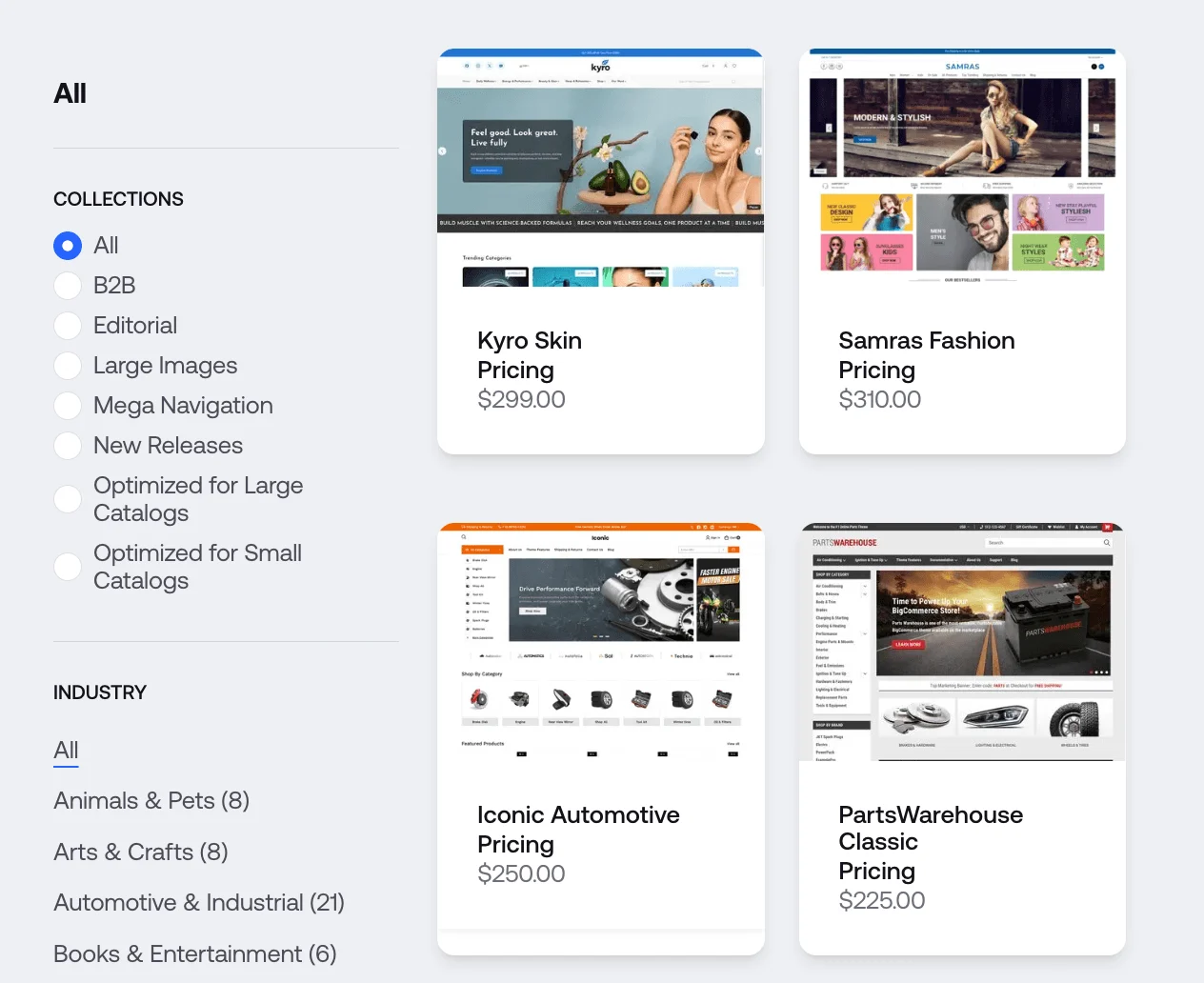
Option overload.
Picking a theme is step one, as it determines the look and usability of your site. Yet even that can gobble up time. Don’t let an abundance of options stall your momentum before the real setup starts. Narrow it down to a few, think about the user experience, and make a choice.
Analysis paralysis.
It’s easy to find yourself fiddling with minor theme settings over and over, trying to get everything perfect. Don’t let perfect be the enemy of done. Establish brand guidelines, choose colours that match, and remember: you can edit things later.
Delayed navigation design.
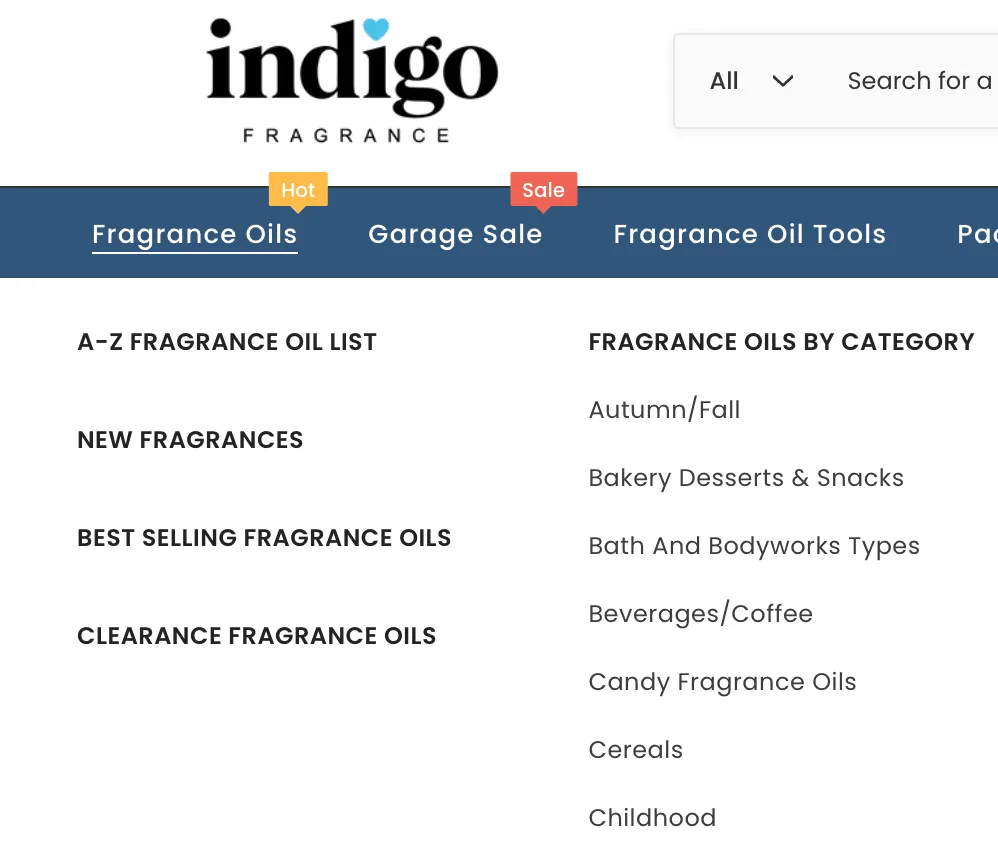
Site navigation and category structure both impact the user experience, helping customers find what it is they’re looking for. During site design it’s easy to focus on the flashy visuals while ignoring nav. Don’t make this mistake.

Your navigation and category structure need to be mapped out during design, not after, otherwise you risk sabotaging SEO and confusing customers that have gotten used to your UX as is.
Mobile neglect.
Most modern themes have been built to be responsive and function well on mobile, but make sure you don’t neglect the mobile experience until it’s launch time.
Instead, check your site build on mobile as you design it on desktop, ensuring both experiences are top notch. (Pay special attention to site nav, search, and dropdowns!)
Site design should be a fun process, resulting in a page that’s as unique as your brand. When in doubt, put yourself in the shoes of the customer and ask yourself if the experience is pleasant and intuitive. (And don’t forget to read up on the best ecommerce website design tips.)
Catalogue setup slowdowns.
Following the lukewarm reception of, “Every Ecommerce Business Needs a Website,” comes the sequel, “Every Customer Needs a Catalogue or They’ll Never Find Your Products.”
Your catalogue is hugely important for a number of reasons. When handled well, it increases the chances your products show up in search results or in AI queries, increases your Google Merchant coverage, and more.
Naturally, given its importance, there are a few areas where catalogues get messy.
Description and title copy.
Drafting product descriptions and titles is time consuming, yet it’s also at the heart of a great catalog. Don’t rush it, but prepare for it to take more time than you’d like.
Most importantly: Use uniform terminology across your catalogue. If you refer to a certain line as “women’s athletic shoes,” then don’t alternate “running shoes” in place of “athletic.” Do you say “t-shirt” in one spot? Then stick to it and avoid “t shirt.”
Image creation.
High quality product images are a must, but can take another big chunk of time if you don’t have them already. It’s also important to watch the file size when uploading them, as you don’t want to slow down your site.
Ideally, you want images to be less than 200kb. To accomplish this, use an image compression tool like TinyJPG, which will reduce images without noticeably diminishing quality. Once you’ve compressed an image, make sure any font is still legible, of course.
Category structure.
An intuitive and consistent product hierarchy is huge, otherwise your catalogue can become a mess for shoppers and search engines. Avoid having an excessive number of categories, and don’t be afraid of some minor overlap.
Metadata mishaps.
Accurate and complete metadata can make or break your SEO performance. Yet, it’s easy to neglect. While completing each catalogue entry, make sure you’re filling out meta titles and descriptions.
Getting your catalogue right the first time is worth the extra time and effort. As your company and catalogue grows, any foundational issues will only compound over time, so don’t ignore them. Imagine if Steve McQueen had just ignored the blob.
And of course, don’t forget to read up on catalogue management best practices!
Legal jargon and red tape.
Ecommerce isn’t all fun and games. It’s fun and games and legal stuff. (Eww.)
Depending on your industry, the amount of red tape you have to deal with can vary. For instance, if you’re selling pet rocks, you’re going to have a quicker journey than someone selling wine or another regulated substance.
Don’t let legal matters scare you off though. Just be aware of:
PCI compliance: If you’re accepting credit card payments online, which is most ecommerce businesses, you have to be PCI compliant. Many ecommerce platforms, like BigCommerce, handle this for you. In either event, make sure you’re up to speed with PCI compliance.
Privacy policies: Most sites have a privacy policy nestled somewhere. While not the most popular piece of literature, they’re required in many locations. Get ahead of it and make sure you have a privacy policy right out of the gate. (Same for terms of service.)
Accessibility basics: Every site isn’t required to adhere to ADA accessibility standards, but it’s still a good idea to make sure your site is fully accessible. This can include everything from proper alt text on your images to having a site that can be navigated with a keyboard.
Tax collection: Taxes can get pretty messy with ecommerce, as sales taxes vary by state. Make sure you’re current with state taxes to avoid costly penalties. And, even better: utilise a platform that automates taxes at checkout.
Unless you’re a lawyer, the legal side of ecommerce can be intimidating. But, it doesn’t have to stop you from building your ecommerce brand. Read up on ecommerce compliance basics, and when in doubt: consult an expert.
Tech stack tumbles.
Ideally, your ecommerce platform will come chock-full of great features right out of the box. Even if it does, you’ll likely wind up needing various integrations or third-party tools, many of which can complicate your initial site setup.
When approaching your tech stack, be mindful of:
Long-term implications: Many integrations, i.e. your choice of payment processor, email tools, ERP, etc., can be difficult to migrate once implemented. So, don’t rush the decision-making process to speed up your launch. Take your time to research and vet the software tools you choose to confirm they meet your needs today and can scale with you in the future.
Integration overload: It’s not uncommon to stuff a new site with more apps and integrations than necessary. Not only will this result in wasted funds, it can also hinder site performance before a single customer arrives. Choose only what you need, no matter how shiny the other integrations are.
Overlapping features: Carefully vet your ecommerce platform and each integration before adding another into the mix, otherwise you run the risk of having multiple tools that do the same thing.
Workflow issues: An integration won’t fix a bad workflow. Before snagging an integration in hopes of fixing a problem, audit the workflow itself to determine if you’re missing a core functionality, or simply in need of optimising your processes.
Again, don’t rush into anything. Put the customer journey first, examine your workflows to make sure they’re optimised and sensible, and if you still see a gap, consider an integration.
For further inspiration, take a deeper dive on what goes into a great ecommerce tech stack.
Testing, testing, testing. (Is this thing on?)
It’s easy to miss the forest for the trees while building your site, focusing on the countless little pieces that go into making your business a reality.
During the earliest phases of your site setup, launch, and well beyond, don’t forget: the entire thing has to result in a great customer experience.
How do you make this happen?
Testing! Just because something looks great on your end, doesn’t mean it actually works. The only way to be sure, is through vigorous testing. Make this happen by focusing on:
Checkout flow testing: Run through the purchase process countless times, making sure it’s smooth and efficient. Don’t forget about those edge cases either, like discount codes, large orders, or payments that fail to go through.
Mobile testing: Your checkout, navigation, product searches, and everything else need to be thoroughly tested on mobile. Be sure to test all of this on both iOS and Android, as well as tablets.
Email tests: If you’ve got a newsletter or any kind of email signup in place, make sure you sign up and test that the emails appear properly on numerous screens and in multiple browsers.
Speed tests: Run your site through Google PageSpeed Insights throughout your build and beyond. Optimisation is an easy one to overlook, but a site that’s consistently quick is critical. If you notice a dip in speed, check to see which integrations were recently added, if pages have large images that need to be squished, and so on.
It’s tempting to hurry and launch your site, but testing is essential. You only get one chance to make a great impression, and you want your site to function flawlessly when you make your grand opening.
Once you’re in a great spot and your site is live, you can begin A/B testing everything from email efforts to product descriptions and beyond.
What’s next?
Okay, your site is live and everything is perfect. Now what?
Now, the fun part begins. Focus on A/B testing, continue pushing optimisations everywhere possible, and keep a close eye on performance. If you notice customers are falling off, a product isn’t doing as well as expected, etc., begin testing and figuring out what resonates and what doesn’t.
Once your ship is sailing as smoothly as possible, it’s time to start promoting your online store. And then, guess what? More testing. (Sorry, that part never ends.)