


- Launch Services
Overview
Chart your path to success with specialised services.Implementation Project Management
Experts to ensure you launch on time and under budget.Solution Architecture
Seasoned advisors to help you best design your store.Data Migration & Optimisation
Expertise on a clean and clear path to migrating your data.Enterprise Launch Package
Personal training on how to set up and launch your BigCommerce Store.

Professional Services Blog Series
Get to know our teams and how they support your success in this Q&A series.

The Global B2B Buyer Behavior Report
This in-depth report provides actionable strategies to help you sell more online.
Explore the
BigCommerce platform
Get a demo of our platform to see if we’re the right fit for your business.
Not ready for a demo? Start a free trial
19 Money-Saving Tips for Small Business Owners to Survive Year One

Written by
Nicolette V. Beard
19 Money-Saving Tips for Small Business Owners to Survive Year One
Get The Print Version
Tired of scrolling? Download a PDF version for easier offline reading and sharing with coworkers.
A link to download the PDF will arrive in your inbox shortly.
What you'll learn:
20% of new businesses fail within year one, nearly 50% within five years — survival requires weekly bookkeeping, separate business/personal accounts and tracking Customer Acquisition Cost, retention rates, and Customer Lifetime Value beyond just revenue.
Specialisation beats generalisation for startups — limited funds mean you can't compete with large corporations on general inventory; narrow focus helps identify target markets and craft compelling value propositions.
52% of small businesses now use AI tools — automation handles abandoned cart emails, CRM follow-ups within 24 hours, and chatbot queries, streamlining processes while your team focuses on complex issues.
Purpose-driven brands with transparent supply chains and sustainability practises grow faster, and 93% of consumers make repeat purchases with companies providing excellent service; ethical integration and consistent customer experience create a competitive advantage beyond inventory.
Only scale when current processes run smoothly without your direct intervention — if teams constantly miss deadlines or profit margins shrink as volume increases, stabilise first; growth breaks broken systems.
Being a master accountant or skilled baker is wonderful. However, talent alone cannot sustain a company.
Commercial ventures struggle without specific financial instincts because understanding cash flow and budgeting is crucial for survival.
Completing paperwork represents just one small step. Once you secure permits and licences, your idea becomes a business reality. Yet, keeping an enterprise alive requires much more effort.
Roadblocks appear quickly for unprepared leaders. Ignoring bookkeeping duties often threatens long-term survival.
Supplier relationships also demand constant attention.
Many startups collapse because they lack an advertising plan. Others fail by offering products that nobody actually wants.
Some entrepreneurs simply have no idea how to handle growth.
Statistics tell a harrowing story. According to recent data from the Bureau of Labour Statistics, roughly 20% of new businesses fail during their first year. Even more concerning, nearly 50% close their doors within five years.
These figures prove that passion isn't enough. You need a roadmap.
To avoid becoming a statistic, you must prepare.
Here are proven strategies to help build a lasting legacy.
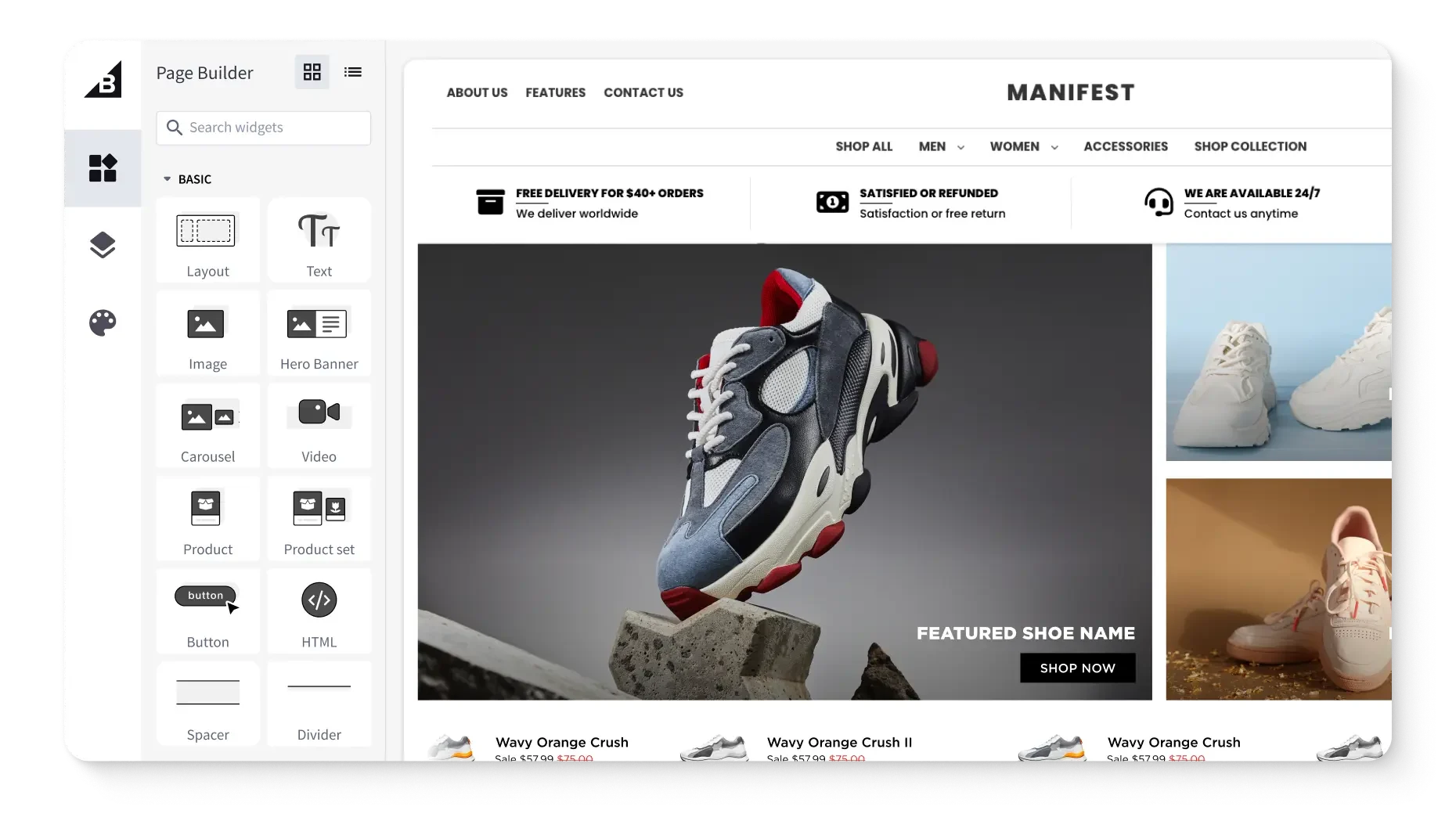
Get a free 15-day trial of BigCommerce.
No credit cards. No commitment. Explore at your own pace.
Tips for building a small business that lasts
1. Find your niche.
General stores are dying. Speciality shops thrive.
Limited funds mean you cannot offer everything to everyone. Large corporations dominate general inventory, so avoid fighting that losing battle (until you're well-armed). Specialisation works best — especially if you're a sole proprietorship offering a service. This focus helps craft a compelling value proposition.
Narrowing down allows you to identify a specific target market.
Example: Instead of generic life advice, offer "on-demand coaching for mid-career professionals seeking change."
That clarity tells potential clients exactly why they need you. It separates your brand from the noise.
2. Study your competitors.
Rivals hold valuable secrets.
Analysing other players reveals your own competitive edge. It also highlights internal weaknesses, helping you feel more assured in your approach.
SBA insight. The Small Business Administration (SBA) advises using competitive analysis to "find a market advantage" that creates sustainable revenue.
Market research proves vital here. Dig into these areas:
Marketing strategy. Observe how competitors generate traffic. Do they rely on paid ads or organic search?
Social media. Watch what they post. Note which content gets the most engagement.
Customer base. Identify who buys from them. Is there an overlap with your target audience?
Your goal isn't copying. You want to spot what they miss.
3. Stay organised.
Chaos destroys momentum.
Success demands strict discipline in managing time and data, giving you a sense of control and clarity.
Accurate business finance records act as your compass, so log every customer billing and vendor payment weekly. Watch that bottom line closely.
Save all receipts and invoices.
Detailed bookkeeping prepares you for tax season.
Deadlines. Use project management tools to assign tasks. Upload files to one central spot.
Planning. Schedule social posts early.
Communication. Email more. Meet less.
4. Cut costs as needed.
Frugality saves startups.
Establish a baseline for spending. Measure actual expenses against your business plan to spot trouble early. If budget variances appear, investigate immediately.
Audit everything. Look for inefficiencies. Redundant processes drain cash.
Review your software subscriptions. If a price feels high for a tool you rarely use, switch to a vendor offering usage-based pricing.
Negotiate with suppliers.
Ecommerce ventures often burn cash on shipping or inventory storage. Cut where possible. Payroll usually represents the most significant expense, so consider outsourcing specific duties to qualified freelancers before hiring full-time staff.
5. Protect your intellectual property.
Assets aren't always physical.
Trademarks, copyrights and patents differentiate your brand from the pack. You must protect your own business ideas and trade secrets aggressively.
Competitors will copy you, given the chance.
Imitators erode market share and damage reputations. If you decide to register a trademark, hire an attorney. Legal forms contain tricky language. Small mistakes, like vague descriptions or missed dates, lead to rejection.
6. Build a strong team.
Great staff makes everything easier.
Find people who want more than just a paycheck. Early hires need to appreciate the unique energy of a new company. Look for candidates who researched your firm before the interview.
Passion matters as much as skill.
Vetting strategy: Specific application questions filter out lazy applicants.
Ditch generic cover letters. Ask marketers to describe a successful campaign. Have developers explain a tough bug they fixed.
These barriers ensure you only review serious talent.
7. Have a great website.
Your site acts as the heart of operations.
For many, this digital storefront represents the only way potential customers can buy from you. Please treat it with respect. Keep the design clean by limiting colours and banners. Invest time in proper search engine optimisation (SEO) to ensure people find you.
Branding matters. A strong identity builds trust. State your value proposition immediately so visitors understand your offer.
Take a lesson from DuckDuckGo. Their homepage simply says, "Search the web without being tracked." That clear message appeals to users concerned about privacy.
Avoid stock photos. Hire a professional to take high-quality images of your inventory. When writing descriptions, focus on benefits and tell a story.
8. Automate and adopt AI tools.
Efficiency saves sanity.
Handing off repeatable tasks ensures nothing falls through the cracks. If you meet a prospect, use CRM tools to follow up automatically within 24 hours. Accounting software can handle daily bookkeeping, saving you from hours of manual data entry.
Set up systems to email shoppers who abandon their carts.
SBA insight. Artificial intelligence has real-world implications for founders. According to data from the Small Business Digital Alliance, 52% of small businesses now use AI tools.
These technologies streamline processes and limit human error. Chatbots can answer queries while you sleep, allowing your human team to focus on complex issues.
Productivity rises when machines handle the busy work.
9. Don't be afraid of data analytics.
Numbers tell the truth.
Web and financial metrics provide a readout on performance. You need to know if your social content connects or if you are spending more than you bring in.
Ignorance is expensive.
Key financial metrics to watch.
Metric | What are the Measures | Why it Matters | How to Improve |
Gross Profit Margin | Revenue - Cost of Goods Sold / Revenue | Profitability | Negotiate better rates with suppliers |
Cash Flow | Total Inflows vs. Total Outflows | Liquidity | Shorten invoice cycles for faster payment |
Debt-to-Equity | Total Debt / Total Equity | Risk Level | Pay down high-interest loans quickly. |
If charts intimidate you, start small:
Customer habits. Use CRM data to see what clients buy and what they might want next.
Site health. Check which pages drive the most conversions.
Social ROI. Determine which posts actually generate revenue.
10. Learn to be flexible.
Agile companies pivot fast.
Slow movers risk obsolescence. Trust your data over your gut. Listen to feedback carefully. If specific items fail to sell, change course immediately.
Don't cling to the past. Never hold onto a sinking idea just because you like it.
Shift your pricing strategy if the current numbers don't add up. Maybe the website struggles to pull in traffic. Replace that outdated WordPress template you love.
Swap it for a responsive design that actually converts.
11. Test out new revenue streams.
Reliance on one income source is risky.
Diversification stabilises cash flow. You don't need a massive budget to experiment with fresh ideas. Start with small pilots to gauge interest without breaking the bank.
Consider these low-cost expansions:
Local workshops. A bakery could host weekend decorating classes.
Digital products. Consultants might sell downloadable guides.
Interactive kiosks. Retailers can set up simple tablet stations for custom orders.
These additions drive extra sales.
They also engage buyers in new ways. If a test fails, the financial loss remains low. If it succeeds, you unlock a powerful growth engine.
12. Provide outstanding customer service.
Best-in-class support is prompt, friendly and helpful. While scripts save time on common queries, they should never sound robotic. Ensure the language used in emails matches your brand voice.
Be accessible. If your vibe is casual, avoid stiff formality.
Self-service options like FAQs allow people to troubleshoot alone. However, real humans must remain reachable. In many industries, especially retail, you compete on experience rather than inventory.
Make contacting you easy via social media or phone.
If orders take time, manage expectations early. When complaints arise, listen actively to understand the pain point. Investigate the root cause and offer a resolution that actually matters.
13. Maintain a personal touch.
Size is your strength.
Small ventures are uniquely positioned to connect deeply with people. Since you likely run the show or have a tiny staff, use that intimacy to your advantage. Handwritten thank-you notes create a lasting impact.
Include a small gift with purchases.
Track the details. use your CRM to record personal facts about clients.
Suppose you sell jewelry and have just finished a custom engagement ring. Send a wedding card later. That level of care turns a one-time transaction into a relationship.
14. Deliver unforgettable experiences.
Stellar interactions boost value.
Exceptional service helps attract and retain new customers. According to data from Nicereply, 93% of consumers are likely to make repeat purchases with companies that provide excellent service.
Consistency matters most.
You might lack the resources for 24/7 support, so be honest about what you can do. If a custom item requires two weeks, say so upfront. Resolve issues quickly and deliver a quality product every time.
15. Create unique content.
Authenticity beats polish every time.
Audiences crave connection, so show real human faces. Avoid generic stock footage that feels cold. Instead, post candid shots of your team working behind the scenes.
If you run a bakery, film the messy kitchen process.
Clothing brands should feature friends as models to highlight diverse body types rather than hiring expensive agencies. Interior designers might share DIY tips on YouTube.
Tell your specific story.
16. Build sustainability and ethics into your brand story.
Values drive value.
Conscious consumerism is not a fad; it is the new baseline. Integrating ethical practises into your narrative does more than just help the planet; it protects your bottom line.
Why ethics matter. Transparent supply chains enhance reputation. According to FitSmallBusiness, ethical sourcing boosts employee satisfaction and ensures regulatory compliance.
Shoppers vote with their wallets.
Recent research demonstrates that purpose-driven brands grow faster than competitors. Make your stance clear to build trust.
17. Stay on top of marketing trends.
Strategies age quickly.
What worked last year might fail today. For instance, long-form video currently dominates engagement metrics. Never mindlessly repost Instagram reels to TikTok, as the user bases differ significantly.
Successful small business owners must remain vigilant. Algorithms shift constantly.
Platforms like Facebook, Google and LinkedIn frequently adjust how they display content. Paying attention to these technical updates ensures your paid ads actually reach the right people.
One-to-one messaging is becoming the standard for personalisation, so adapt your approach now.
18. Limit distractions.
Focus is currency.
Use software to collaborate effectively. Create specific to-do lists every morning. Stay true to your core mission rather than trying to please everyone.
Expansion is exciting.
Naturally, you want to grow your product line and eventually enter new markets. However, do not chase pipe dreams before you even launch.
Stick to the plan.
Productivity tip. Experts suggest working in one-hour blocks. Take fifteen-minute breaks to reset.
Short pauses prevent burnout.
19. Maintain your passion and have fun.
Persuasion powers success.
Founders must convince others to invest time and money. You need to champion your vision through the inevitable highs and lows.
Maybe a nagging idea kept you awake, or you spotted a gap no one else filled.
The reality check. Set realistic expectations. Entrepreneurship requires grit.
Do not take yourself too seriously. Building a company should feel rewarding. It offers a path to financial independence and personal freedom.
Early days are tough.
You might work long weeks initially to stay afloat, but that effort yields results. Enjoy the ride.
The final word
Every entrepreneur faces different challenges — whether you're flying solo or working in a partnership. The type of business you run shapes what success means and what goals make sense right now.
If you're launching a startup, you might focus on reaching positive cash flow within your first year. More established businesses often shift their attention to boosting word-of-mouth referrals or breaking into new markets.
The key is setting goals that match where you are today, then adjusting them as you grow.
One small business tip that applies to everyone: Keep your business bank account completely separate from your personal finances.
Your future self will thank you.
FAQs for small business growth
How do I build a financial forecast?
Start with your history. Review income statements from previous years to identify seasonal peaks or dips. Next, factor in projected revenue from upcoming marketing campaigns.
Always be conservative.
Experts suggest overestimating expenses by 10% to create a safety buffer. Thinking ahead helps you anticipate cash flow gaps before they become emergencies.
What metrics signal healthy growth beyond sales?
Revenue often hides deep problems. You must monitor Customer Acquisition Cost (CAC) to ensure you aren't spending too much to get new buyers.
Also, track retention rates.
If your churn rate is high, you have a "leaky bucket" problem. Strong Customer Lifetime Value (CLV) proves that clients trust you enough to stay, which signals that your company is ready to expand.
How do I measure whether to scale or stabilise?
Look for chaos in your daily operations. If your team constantly misses deadlines or fights fires, you need to focus on stabilisation.
Growth breaks broken systems.
You are only ready to scale when current processes run smoothly without your direct intervention. If profit margins shrink as volume increases, pause immediately. Fix the underlying efficiency issues before chasing more customers.

Find your favourite features.
Explore all of the capabilities of the BigCommerce platform.